

Author: Shefali Breitbach, Analyst

Table of Contents
- Introduction
- Founding Team
- Version 1.0
- Perplexity Today
- Use Cases
- Business Model
- Challenges
- Evolution of Perplexity
- What’s Next for Perplexity
Introduction
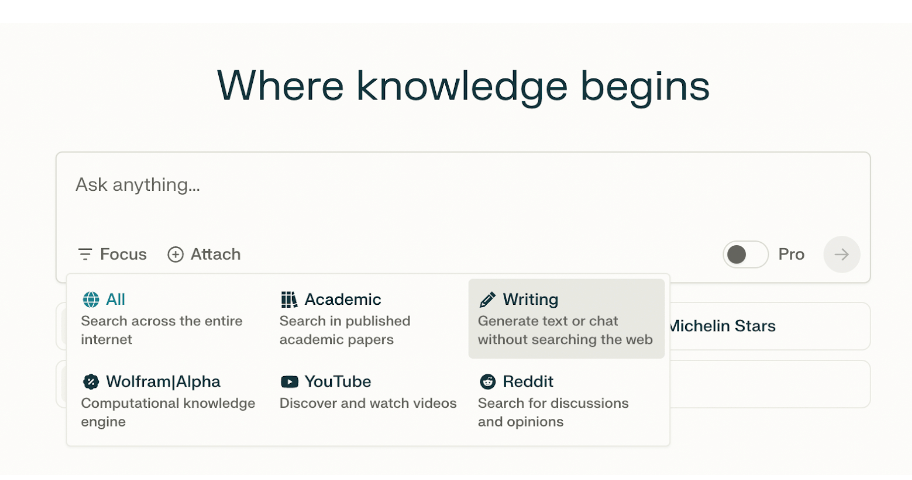
Perplexity is an AI-driven search engine that delivers conversational responses to user queries by searching the web in real-time and synthesizing information from various sources. It eliminates the need to sift through multiple search results and unreliable information by providing a single, comprehensive answer with citations from trusted sources. Perplexity offers free and premium subscription options as a web platform and mobile app.
Founding Team
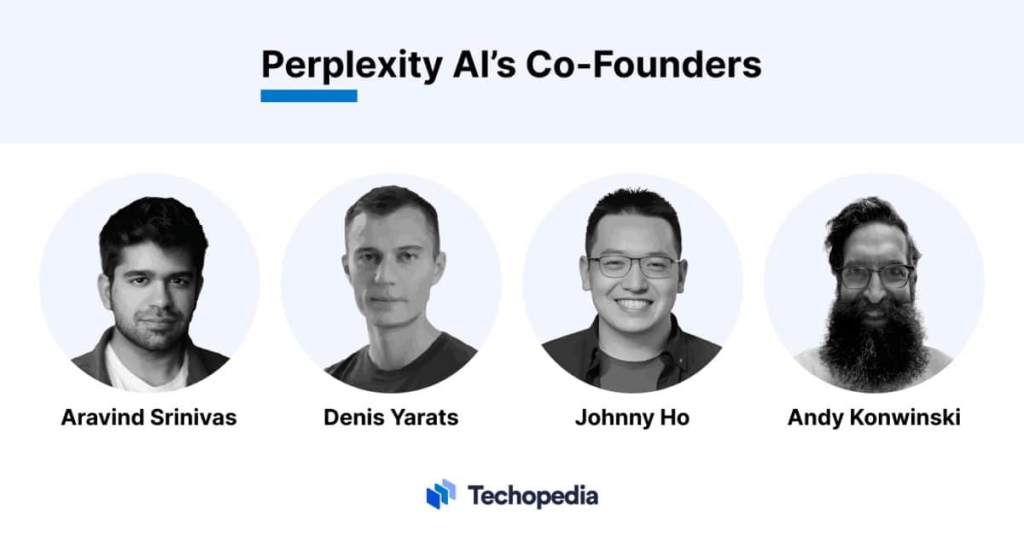
The founding team of Perplexity consists of four individuals with Aravind Srinivas leading the company as the founding Chief Executive Officer. Srinivas earned a PhD in Computer Science from the University of California, Berkeley, and was a former research scientist at OpenAI. Denis Yarats, the Chief Technology Officer, is a former research scientist at Facebook AI Research and previously worked as a machine learning engineer at Quora. The Chief Strategy Officer, Johnny Ho, worked at Quora as an engineer and quantitative trader on Wall Street. The
last member of the founding team, Andy Konwinski, was among the founding team at Databricks.
Srinivas drew inspiration from Larry Page’s vision of search as an AI-complete problem. He recognized that Google’s stronghold on the search market was dominant but believed there wasroom for innovation within the space. The founding team also recognized the potential of large language models to revolutionize information retrieval and search. Thus, by leveraging their expertise in AI and machine learning, the Perplexity founders set out to create a more efficient, accurate, and user-friendly search experience that addresses the limitations of existing search technologies.
Version 1.0
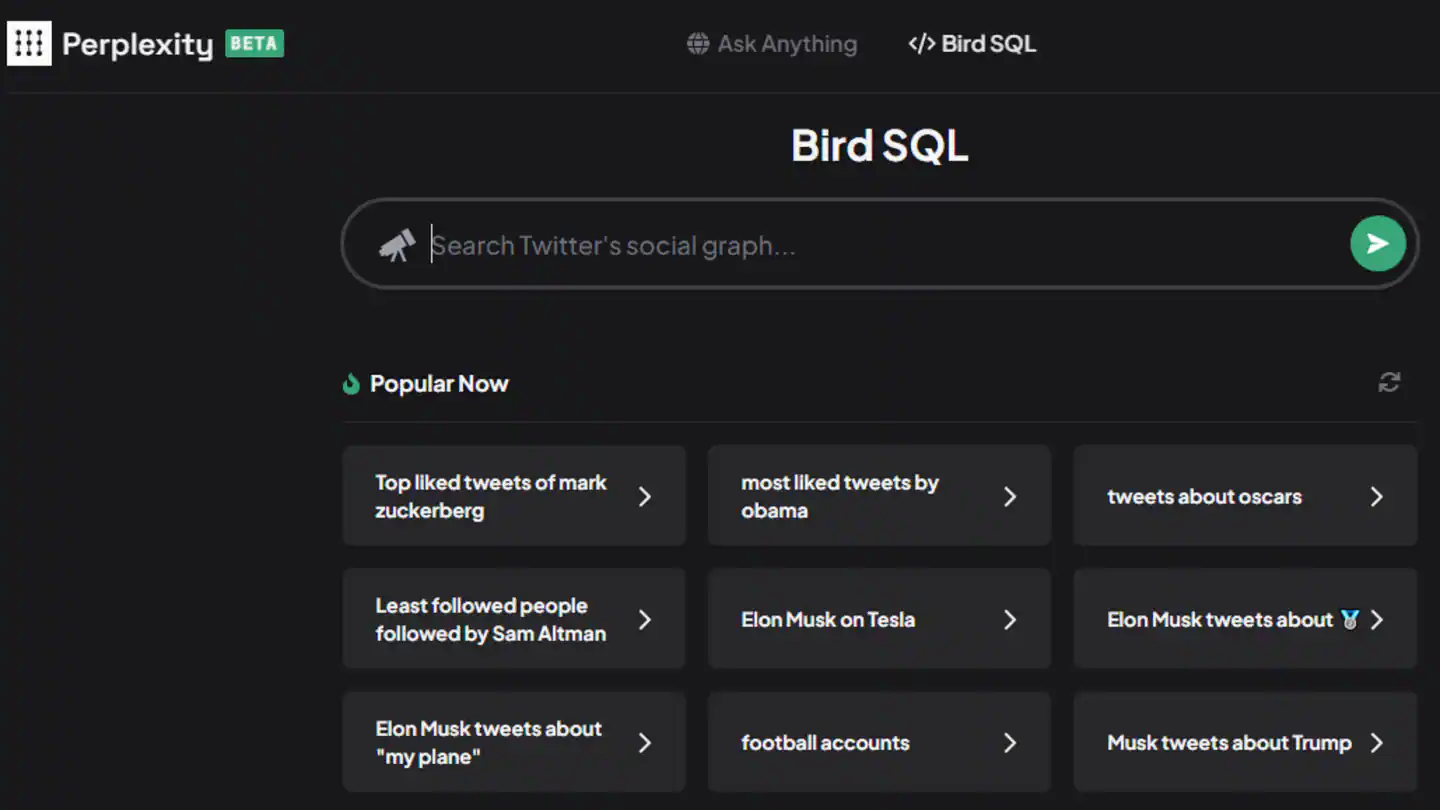
The first version of Perplexity was launched in December 2022 and was called Bird SQL. The product utilized OpenAI’s Codex tool and was designed to search through databases, with a specific focus on Twitter. The tool transformed natural language search queries into SQL and returned Twitter-specific results based on these SQL queries. Bird SQL gained positive attention from Jack Dorsey, co-founder of Twitter. However, the early version of Perplexity faced controversy because the platform relied on fake Twitter accounts to access the API.
Perplexity Today
Perplexity’s core product is an advanced answer engine that combines a search engine’s functionality with an AI chatbot’s conversational abilities. The platform uses advanced AI to search the internet in real time for answers with footnotes linked to the original sources, ensuring credibility. Additionally, the system measures previous queries within a conversation, enabling seamless follow-up questions. From a technical perspective, Perplexity uses multiple large language models and employs retrieval-augmented generation (RAG) to access and process up-to-date information from the internet.
Use Cases
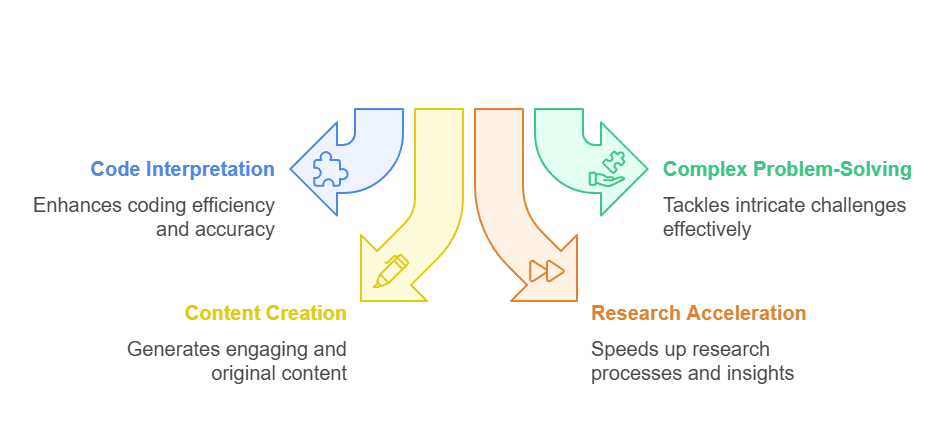
Perplexity’s product expands new ways users can access information, unlocking many new use cases including:
Business Model
The free version of Perplexity includes unlimited quick searches and 5 Pro searches a day. It uses the standard Perplexity AI model and creates an AI profile for personalized answers. The Pro version, costing $20/month utilizes a choice of AI models including GPT-4o, Claude 3.5, and more. Pro users have access to unlimited file uploads and analysis, AI image generation, and Pro support via Discord. The Pro version also unlocks Perplexity Pages, a feature that allows users to create AI-generated articles based on multiple queries.

Currently, Perplexity primarily targets individual consumers (B2C) with its main product. However, it has recently expanded into the B2B market with the launch of Perplexity Enterprise Pro which caters to businesses with enhanced security features and data retention capabilities. A strategy analyst at Perplexity noted that the introduction of Perplexity Enterprise Pro aims to “cater to specific edge cases within industries,” meaning that Perplexity is looking to develop systems for specific industries including Perplexity Enterprise for Education or Perplexity Enterprise for Finance.
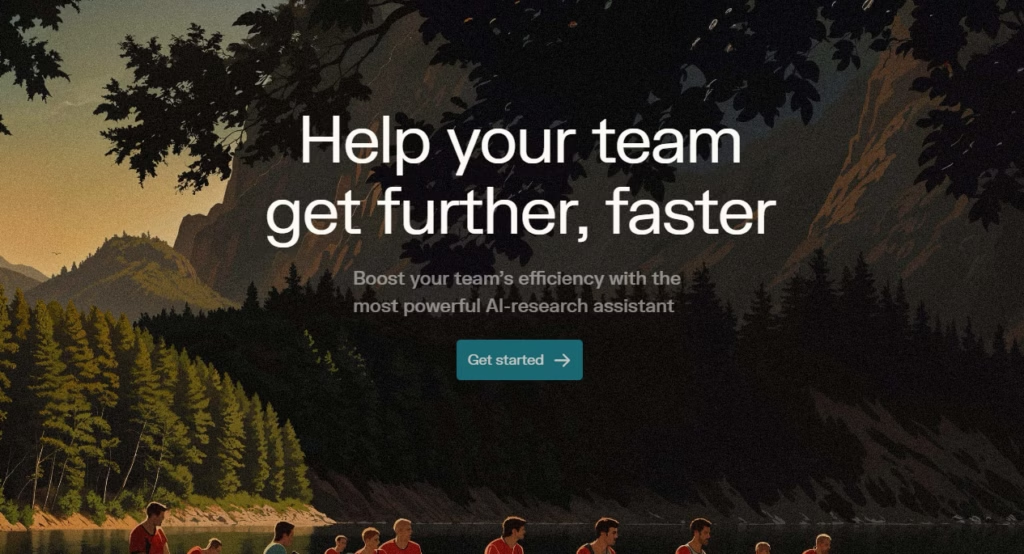
Note: Perplexity Enterprise Pro
Challenges
Like many other AI systems, AI faces challenges in consistently providing accurate information. Perplexity must ensure robust data protection as it expands, especially into enterprise solutions. Additionally, the AI search and answer engine space has become increasingly crowded with many competitors including You.com which offers personalized features, Google Gemini which is backed by Google’s vast resources, Komo which is known for its user-friendly experience, and Anthropic Claude which is known for its complexity. Strategy at Perplexity compares Perplexity more closely with Google’s Gemini, positioning itself as a search engine rather than an analysis engine.

Because the switching costs for these search engines are so low, Perplexity is aiming to introduce its technology early to users and build a loyal customer base. To do so, Perplexity has been focusing on offering its technology for educational purposes at the collegiate and K-12 levels, hoping young users will continue using the platform in their professional careers and beyond–a strategy that mirrors Figma’s playbook.
Evolution of Perplexity
After Perplexity’s initial version, the company transformed into a comprehensive AI search and answer engine with a focus on introducing natural and conversational interactions for users. The system gained the ability to remember previous queries within a conversation to do so. From a business model perspective, Perplexity’s introduction of “Perplexity Enterprise Pro” expands its monetization and diversifies the startup’s revenue streams.
Perplexity AI is ranked as the 1,712th most visited website worldwide. In February 2024, the platform recorded 52.4 million visits, marking a 23.79% increase from January’s 42.33 million. Nearly half of its users are based in Indonesia (24.78%) and India (22.16%), with the United States following at 16.22%. The platform has a bounce rate of 62.63% and approximately 10 million active monthly users.
Perplexity Pages have been a target for controversies related to plagiarism and unauthorized web crawling. Forbes accused Perplexity of “ripping off” its work without sufficient attribution and other publishers have claimed Perplexity has simply copied their original articles without proper credit. Additionally, the platform has been accused of accessing content from websites that explicitly prohibit web crawling activity.
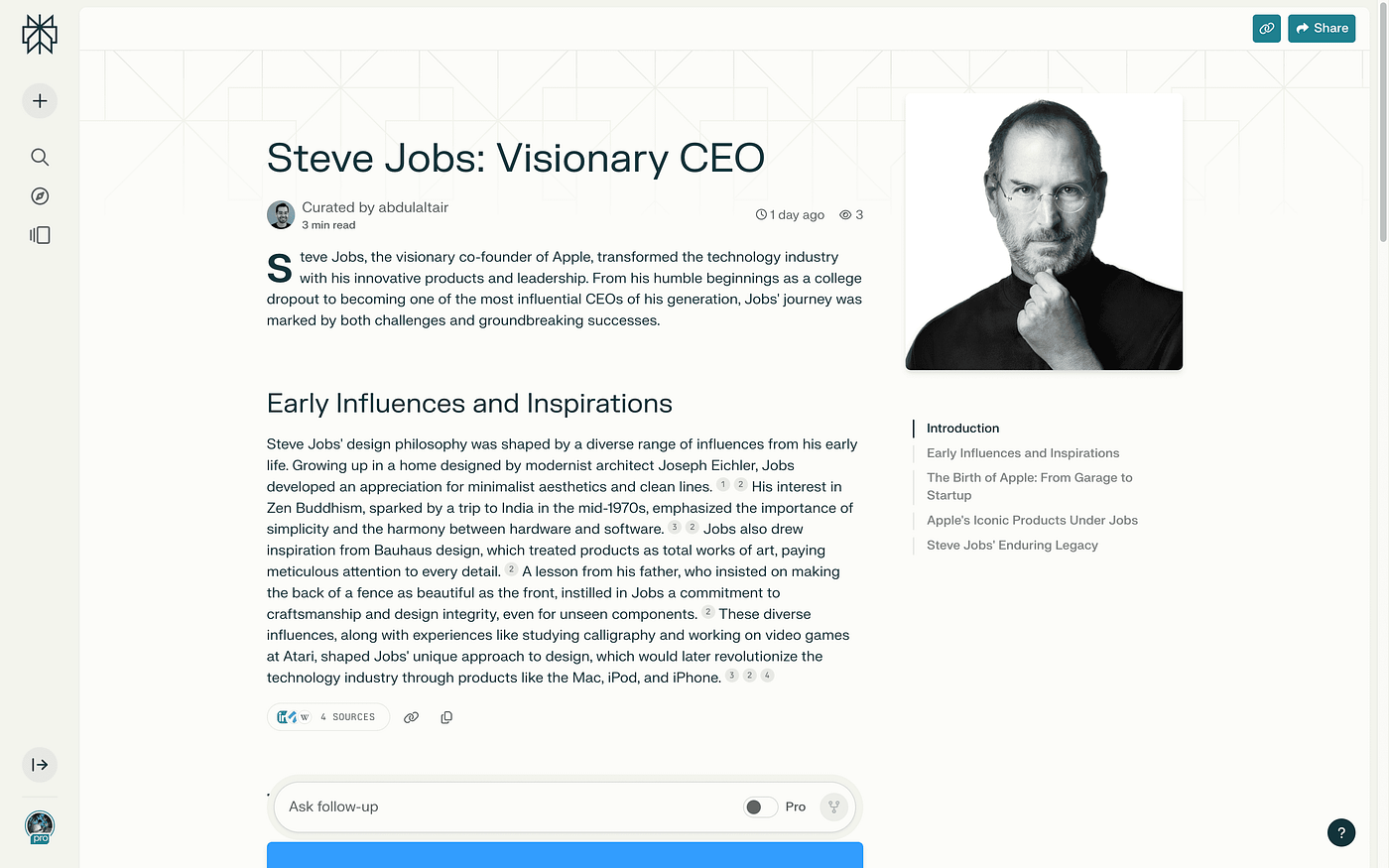
Note: An example of Perplexity Page
What’s Next for Perplexity
Perplexity plans to introduce a new advertising system by the end of 2024 to integrate ads within users’ queries and answers. CPMs are expected to be greater than $50. Aside from this new advertising system, Perplexity aims to grow users. Already eight folding monthly U.S. queries, reaching 230 million, Perplexity wants to maintain these growth trajectories as well as improve its reliability from a technological advancement standpoint.
Aravind Srinivas has highlighted that Perplexity’s next vision will be focusing on relevant, high-quality ads from premium brands for their advertising services rollout. He also aims to continue developing Perplexity into a multifaceted tool that caters to specific enterprises such as academic research, journalism, content marketing, and business research.
Perplexity now has 100 employees and has raised a total of $913.67M at a $9.0B valuation. For comparison, Anthropic has raised $12.75B with a $19.35B valuation and 500 employees. The overall sentiment about Perplexity seems to be overwhelmingly positive with interest from high-profile investors including Jeff Bezos, NVIDIA, Daniel Gross (former head of AI at Y Combinator), and Databricks. VCs view Perplexity as a potential disruptor in the search engine market, capable of challenging established players like Google.
Sources: Company website and industry reports
 Stepmark Partners